
A fence is one of the first things people notice about a property. It frames your home, defines boundaries and quietly communicates style, care and quality. Yet many homeowners choose fencing based only on function or cost, without considering how it fits the character of the house itself.
The right fence should feel like it belongs. It should echo the architecture of your home, complement the surrounding landscape and enhance curb appeal while still providing security and structure.
At Paddock Fencing, we help homeowners choose fencing that works with their property, not against it. This guide walks through how to select a fence that truly matches your home style, from traditional country houses to modern builds and large estates.
Start With Your Home’s Architectural Identity
Before looking at materials or fence heights, take a step back and look at your home as a whole. Every property has an architectural language, even if it’s subtle.
Ask yourself:
- Is the home traditional or modern?
- Is it rural, suburban or estate-scale?
- Are the lines soft and decorative or clean and minimal?
Your fencing should speak the same design language. When styles clash, even a high-quality fence can feel out of place.
Traditional Homes Benefit From Timeless Fencing Designs
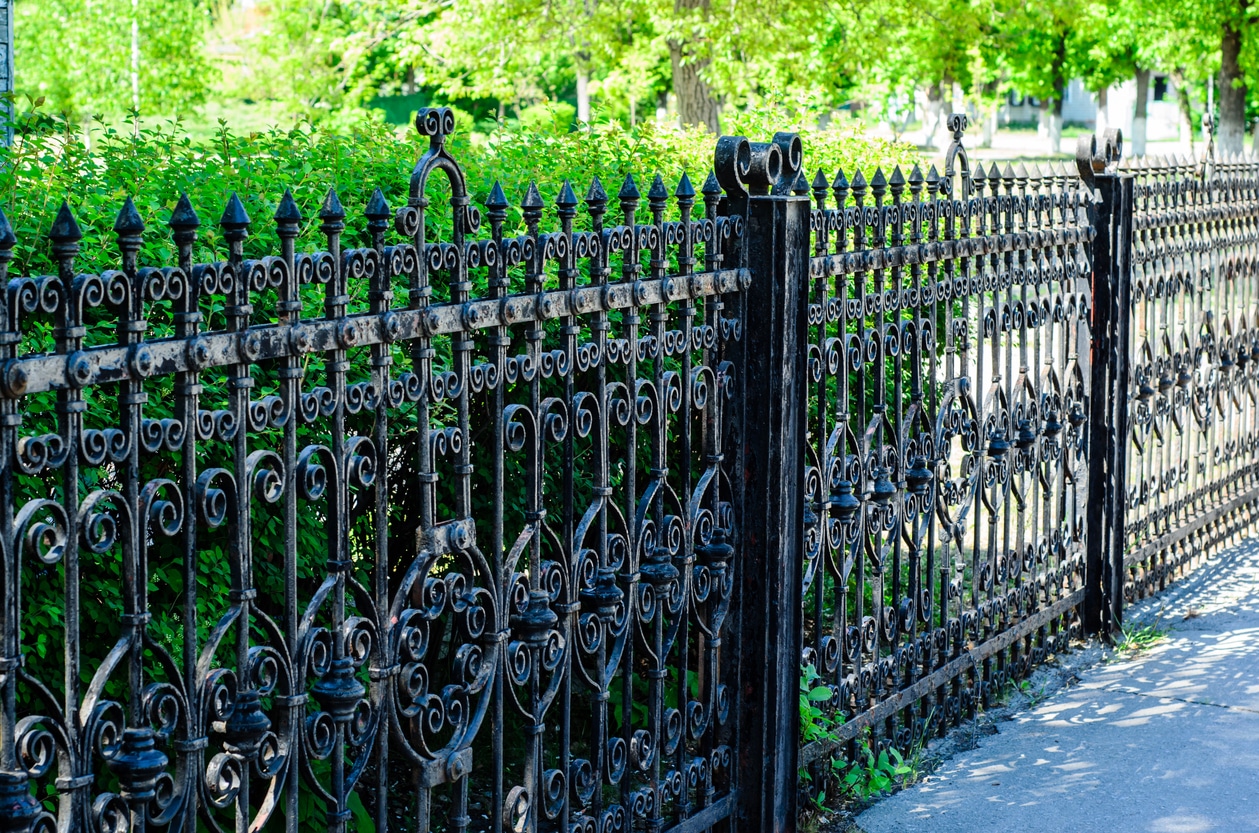
Period homes, farmhouses and country properties often suit fencing styles that feel established and understated.
For these properties, estate fencing is often the most natural choice. Its classic steel structure reflects heritage design while still offering modern strength and longevity.
Why estate fencing works for traditional homes:
- Elegant proportions that don’t overpower the house
- Open design that preserves views and natural light
- Strong boundaries without heavy visual weight
- A look that ages gracefully over decades
Estate fencing complements stone, brick and timber buildings, creating a sense of continuity between the home and the surrounding land.
Modern Homes Need Clean Lines and Purposeful Design
Contemporary homes tend to feature strong geometry, minimal detailing and intentional use of materials. Fencing for modern properties should reflect this clarity.
Steel fencing with simple vertical or horizontal lines works particularly well. It pairs naturally with modern landscaping features such as:
- Corten steel edging
- Metal garden edgers
- Metal lawn edging
- Metal raised beds
Using similar materials across fencing and landscaping creates a cohesive, intentional look. Rather than standing apart, the fence becomes part of the overall design system.
Let Landscape Design Guide Fence Choice
Your fence doesn’t exist in isolation. It sits alongside lawns, planting beds, trees, driveways and paths. A fence that ignores landscaping can feel disconnected, even if it suits the house itself.
If your garden uses structured planting, raised beds or defined borders, steel fencing often fits best. In many raised beds UK designs, metal features are already present, making steel fencing a natural extension of the landscape.
For softer, naturalistic gardens, open fencing styles allow greenery to remain the focus while still providing structure.
Matching Fence Height to Home Scale
Fence height plays a major role in how well it suits your property. A fence that’s too tall can dominate a smaller home, while one that’s too low may look lost around a large estate.
General guidelines include:
- Lower fences for front gardens to maintain openness
- Medium-height fencing for side boundaries
- Taller fencing where privacy or security is needed
Estate fencing works well across different heights because its open design prevents it from feeling oppressive, even when used for larger boundaries.
Balancing Security With Visual Appeal
Security is often a priority, but overly defensive fencing can clash with residential architecture. The goal is to protect without creating a fortress.
Steel fencing provides strength without bulk. Its visibility helps deter unwanted access while maintaining a welcoming appearance.
For larger properties, fencing can guide movement naturally, directing visitors toward entrances and discouraging access to private areas without harsh barriers.
Protecting Trees Without Disrupting Style
If your property includes young trees, orchards or newly planted boundaries, protection is essential. Deer and wildlife can quickly undo years of planting work.
Rather than compromising aesthetics, tree protection can be integrated seamlessly using:
- Tree guards for deer
- Deer tree guards
- Metal tree guards
- Deer guards for trees
Steel metal tree guard designs align visually with estate fencing and modern landscaping, helping protect trees from deer while maintaining a clean, organised appearance.
This approach reflects the long-term thinking that has preserved some of Britain’s most notable trees, including those often referenced as the oldest oak tree UK or the oldest tree in the UK.
Colour and Finish Matter More Than You Think
Fence colour should complement your home rather than compete with it. Neutral tones often work best, especially for steel fencing.
Popular choices include:
- Black or dark grey for classic elegance
- Natural steel or weathered finishes for modern landscapes
- Subtle matte finishes to avoid visual glare
At Paddock Fencing, we help homeowners select finishes that work with brickwork, stone, render and surrounding greenery.
Think Long Term, Not Just First Impressions
A fence should look good not only on installation day but years down the line. Materials matter.
Steel fencing offers:
- Minimal maintenance
- Resistance to weathering
- Long-term structural integrity
- Consistent appearance over time
This durability helps protect both visual appeal and property value. A well-chosen fence becomes a lasting asset rather than a recurring maintenance concern.
Estate Fencing for Larger Properties and Country Homes

Large gardens and estates require fencing that provides structure without fragmentation. Estate fencing excels in these settings.
It allows land to feel connected rather than divided, while still clearly defining ownership and boundaries. When combined with tree protection fencing or protective tree fencing, it supports both security and land management goals.
This makes estate fencing particularly popular for rural homes, heritage properties and landscaped grounds.
Avoiding Common Style Mistakes
Some of the most common fencing mistakes include:
- Choosing a fence that clashes with the home’s era
- Over-securing small properties
- Ignoring landscaping context
- Selecting materials that age poorly
Taking time to match fencing style with home design avoids these pitfalls and ensures the fence enhances rather than detracts from the property.
Why Paddock Fencing Focuses on Design as Much as Strength
At Paddock Fencing, we believe fencing should be both functional and beautiful. Every property is different, and the best results come from thoughtful design rather than one-size-fits-all solutions.
We help homeowners choose fencing that:
- Matches architectural style
- Supports landscaping plans
- Enhances curb appeal
- Provides long-term durability
- Adds genuine value to the property
Our fencing is designed to feel like a natural extension of your home, not an afterthought.
Final Thoughts
Choosing a fence that matches your home style is about more than aesthetics. It’s about creating harmony between architecture, landscape and function.
Whether your property is modern, traditional or estate-scale, the right fencing will frame it beautifully, protect it effectively and stand the test of time.
With thoughtful material choices, appropriate scale and quality craftsmanship, fencing becomes one of the strongest visual assets your home can have.
Paddock Fencing is proud to help homeowners achieve fencing that feels right today and continues to look right for decades to come.